
Characters
It is useful to consider each character as representing a function in the play. Understanding Shakespeare’s purpose for each character will help produce sophisticated analysis. Interpreting the play’s ideas by considering how each character may represent an idea or a sub-group in society, and how characters oppose each other or react to each other, is crucial.
Below you will find character profiles of:
-
Prospero
-
Miranda
-
Ariel
-
Caliban
Other characters:
-
Antonio
-
Ferdinand
-
Stephano
-
Boatswain
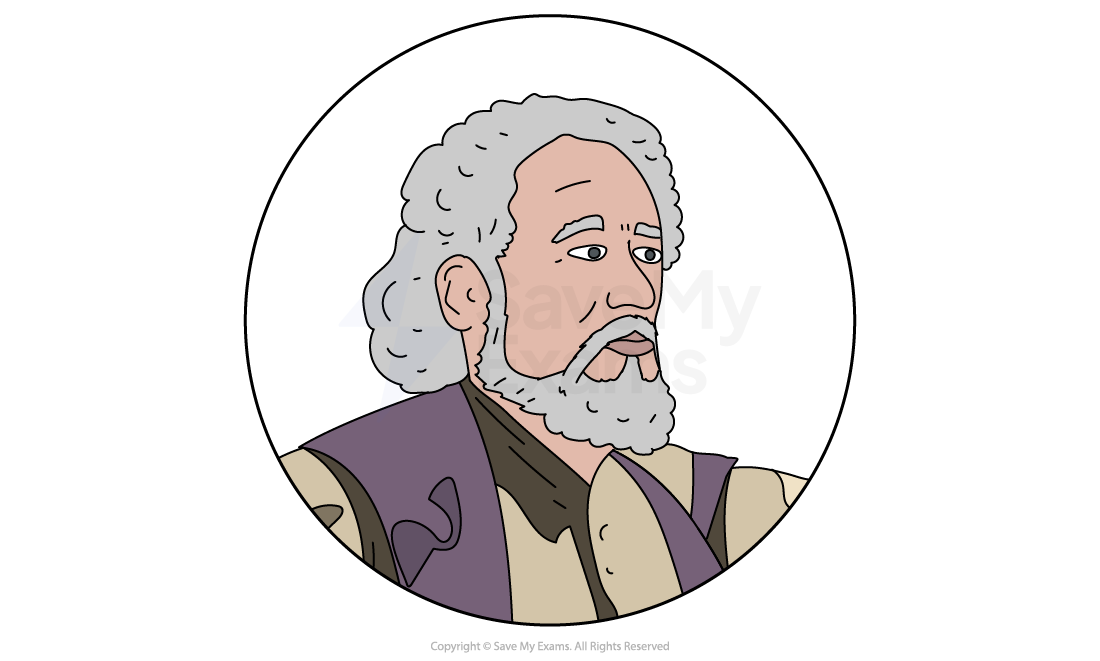
Prospero
-
Prospero is the former and rightful Duke of Milan, betrayed and exiled to the island by his brother Antonio, with the help of Alonso, the King of Naples
-
Prospero and his daughter, Miranda, were set adrift and swept ashore on the island:
-
Gonzalo helped Prospero take his books from Milan
-
With the help of these books, Prospero becomes a powerful sorcerer and takes control of the inhabitants of the island
-
-
Prospero is introduced as a bitter character, seeking vengeance
-
His strong sense of betrayal leads him to control other characters as he chooses:
-
He locks Caliban in a cave after his attack on Miranda
-
Prospero puts his daughter to sleep when he wishes to hide something from her
-
He releases Ariel from a curse and uses this to enslave them
-
He and Caliban were once close but are now bitter enemies:
-
-
Prospero’s character can be described as omnipotent:
-
He is able to listen in on other characters and create visions and illusions
-
He has a magic garment and staff
-
-
Critics argue Prospero represents Shakespeare as a playwright:
-
In the final speech, Prospero asks the audience to release him from the illusions he creates through the drama
-
He throws his books in the sea and asks for applause to set him free
-
-
Prospero’s development in the play conveys themes of justice and power, particularly in the context of Prospero as a settler and a betrayed duke
-
Prospero is presented as knowledgeable, yet misguided by a desire for revenge and control
-
His manipulation of the more vulnerable characters in the play (Miranda, Ferdinand, Ariel and Caliban) make him a flawed protagonist
-
Nevertheless, in the resolution, Prospero redeems himself, relinquishing control and his magic “art” and reconciling with his enemies:
-
In this way, Prospero represents mercy and accountability
-
He admits that it is more difficult but is virtuous to forgive rather than seek vengeance
-
Examiner Tips and Tricks
Your exam paper will contain an extract that will hold some significance to the play as a whole. Examiners will always award the highest marks to those students who refer to plot and character beyond just the extract. Think of the extract as a springboard to the rest of the play, and take a whole-text approach to writing your essay.
In practice, this means it is very successful to reference other parts of the play that relate to the extract, and even better if they contrast with the ideas or characterisation that Shakespeare is presenting in the chosen extract. So think: does Shakespeare present this character differently in other parts of the play? Do we see any character development? What ideas is he exploring when showing this contrast? You don’t always need to use quotations to show these changes, with the exam board suggesting that “looking at contrasts and parallels in characters and situations at different points in the text” is just as successful.
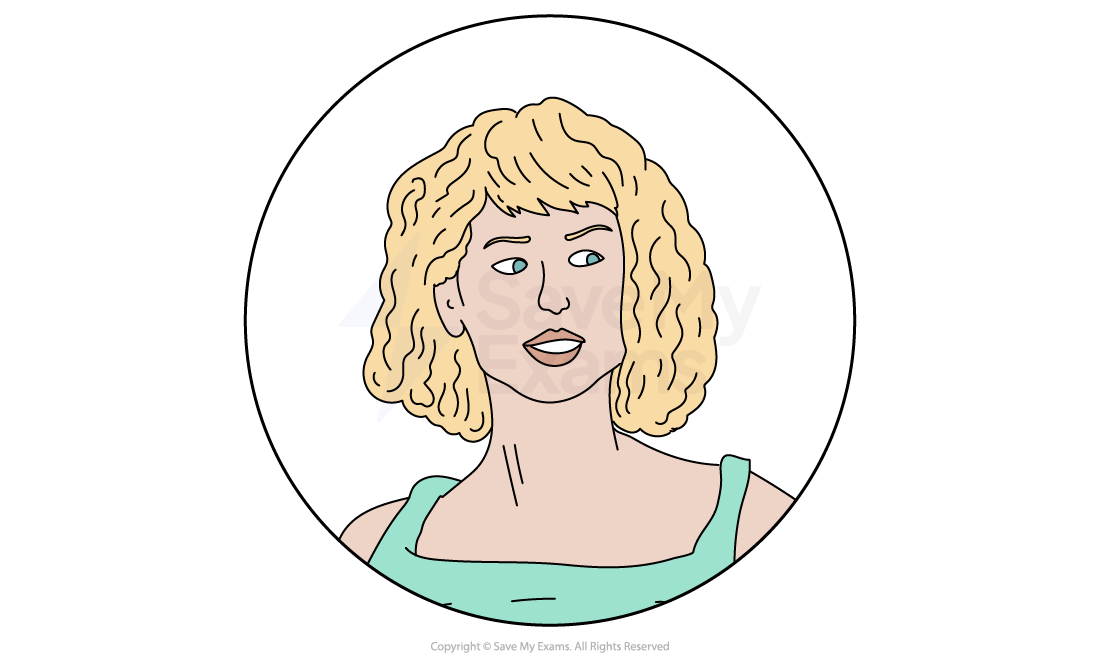
Miranda
-
Miranda is Prospero’s daughter
-
As she has been on the island since she was three years old, she knows little of the outside world:
-
Shakespeare characterises Miranda this way to present her as isolated
-
Her knowledge is limited, and she is sheltered and controlled by her father
-
-
In the exposition audiences see Prospero manipulate his daughter by forcing sleep upon her in order to hide information:
-
His dialogue to Miranda suggests he is a protective father, yet this is manifested in manipulative control
-
-
Through the character of Miranda, The Tempest can be viewed as a conventional comedy:
-
Caliban’s wish to couple with her so as to “people” the island with their offspring highlights the theme of colonisation
-
Nevertheless, it is dictated by her father
-
She and Ferdinand are left on the island with Caliban, suggesting an ambiguous future
-
Her sexuality creates conflict in the play:
-
Her father controls and tricks her love interest, Ferdinand, thwarting their relationship
-
Her marriage in the resolution ends the play positively:
-
Ariel

-
Ariel is a nymph or spirit who represents the theme of magic and illusion
-
In the exposition, audiences are told that Ariel was cursed by the witch, Sycorax (a former settler on the island), and trapped inside a tree
-
Ariel is indebted to Prospero after he released the spirit from the curse:
-
Ariel serves Prospero
-
The first task audiences see Ariel complete for Prospero is the creation of the storm
-
-
No other character in the play can see Ariel apart from Prospero
-
The spirit is not assigned a gender in the play, although productions over time vary their presentation of Ariel as male or female
-
Ariel is presented as a vulnerable and loyal spirit, a victim of Prospero’s manipulative power:
-
Prospero promises Ariel that he will release the spirit from servitude once his plans come to fruition
-
-
In the resolution, Ariel’s release provides a sense of cathartic restoration of order
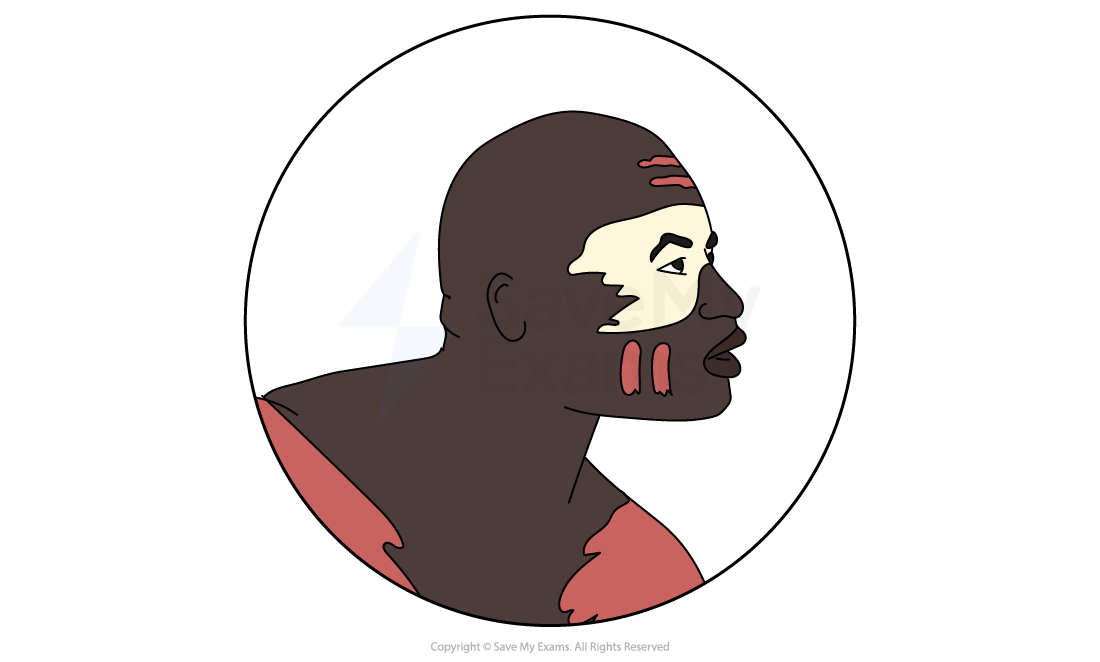
Caliban
-
Caliban, the orphaned son of Sycorax, is left alone on the island with the invisible spirits until Prospero and Miranda arrive
-
Caliban symbolises a native, an inhabitant of a strange land:
-
Through his character, Shakespeare explores the idea of knowledge and culture
-
-
Caliban, as the exposition explains, was taken in by Prospero and they shared knowledge:
-
Caliban teaches Prospero about the land and how to survive
-
Prospero teaches Caliban sophisticated language
-
-
Caliban is enslaved and trapped in a cave after he tries to sexually assault Miranda:
-
Audiences are told he wishes to make Miranda his wife so they can rule the island together
-
-
The vicious conflict between Caliban and Prospero forms much of the conflict in the plot:
-
Prospero and Caliban are presented as worthy adversaries
-
Their derogatory insults convey their strong hatred of each other
-
-
Through the characterisation of Caliban, Shakespeare highlights issues regarding colonisation:
-
Caliban expresses his sense of oppression and betrayal
-
He is afraid of Prospero’s power
-
He plots with Stephano to overthrow Prospero and brutally murder him
-
-
Caliban, who is described as a monster and a savage, is presented sympathetically:
-
The scene is comedic, yet full of pathos, as Caliban becomes drunk and is humiliated
-
When he immediately swears allegiance to Stephano because of his new experience with alcohol, audiences witness cultural differences at play:
-
Examiner Tips and Tricks
Consider characters as serving independent functions which drive the themes of the plot. In The Tempest, Shakespeare uses characters to highlight different elements of society, particularly how characters have a huge influence on each other’s emotions throughout the play.
Responses