
Business_A-level_Cie
-
business-and-its-environment
enterprise6 主题 -
business-structure6 主题
-
size-of-business3 主题
-
business-objectives3 主题
-
stakeholders-in-a-business2 主题
-
external-influences-on-business12 主题
-
political-influences
-
legal-influences
-
economic-influences
-
economic-government-macroeconomic-objectives
-
economic-government-policies
-
social-influences
-
the-impact-of-corporate-social-responsibility
-
demographic-influences
-
technology-competitors-and-suppliers
-
international-trade
-
the-impact-of-multinationals
-
environmental-influences
-
political-influences
-
business-strategy10 主题
-
human-resource-managementhuman-resource-management-hrm8 主题
-
motivation4 主题
-
management2 主题
-
organisational-structure5 主题
-
business-communication5 主题
-
leadership2 主题
-
human-resource-strategy3 主题
-
marketingthe-nature-of-marketing7 主题
-
market-research3 主题
-
the-marketing-mix6 主题
-
marketing-analysis5 主题
-
marketing-strategy3 主题
-
operations-managementthe-nature-of-operations3 主题
-
inventory-management2 主题
-
capacity-utilisation-and-outsourcing1 主题
-
location-and-scale2 主题
-
quality-management1 主题
-
operations-strategy4 主题
-
finance-and-accountingbusiness-finance2 主题
-
sources-of-finance3 主题
-
forecasting-and-managing-cash-flows1 主题
-
costs4 主题
-
budgets1 主题
-
financial-statements4 主题
-
analysing-published-accounts6 主题
-
investment-appraisal2 主题
employee-morale-and-welfare
HRM, employee morale and welfare
Morale
-
Morale refers to the overall attitude and satisfaction employees feel towards their workplace
-
High morale typically leads to increased productivity, creativity and loyalty
-
-
The human resource management (HRM) function is often tasked with ensuring good employee morale and welfare
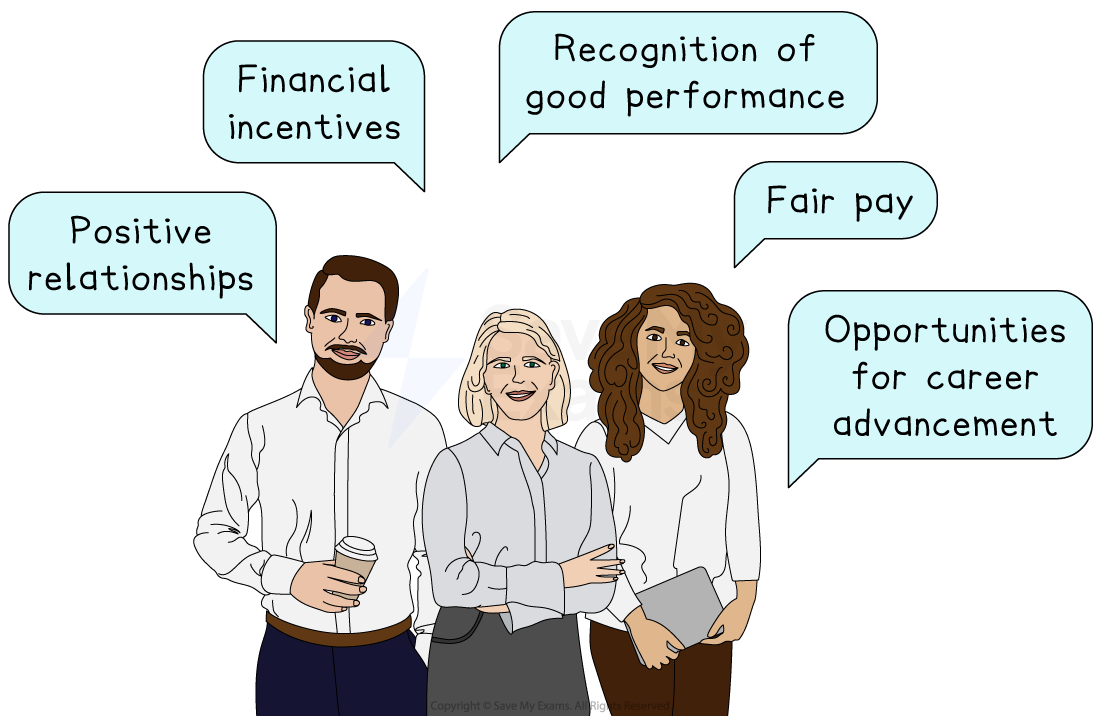
Factors that boost employee morale
-
Fair pay and financial incentives
-
Offering fair salaries and extra financial rewards, such as bonuses or profit sharing, motivates employees, making them feel valued and fairly treated
-
-
Opportunities for career advancement and personal growth
-
Employees become motivated when they see clear opportunities to progress within a business, developing new skills and taking on greater responsibilities
-
-
Recognition of good performance and achievements
-
Regularly acknowledging employees’ achievements boosts self-esteem and motivation and encourages continued high performance
-
-
Positive relationships among staff and management
-
Good relationships within the workplace create trust and mutual respect, improving communication and cooperation across the business
-
Welfare
-
Employee welfare relates to measures businesses take to ensure the health, safety and wellbeing of their staff
-
Businesses that look after employees’ welfare often experience higher productivity, lower staff turnover and fewer days lost due to illness
Examples of employee welfare measures
|
Measure |
Explanation |
|---|---|
|
Health insurance and medical benefits |
|
|
Safe and pleasant working conditions |
|
|
Training on health and safety |
|
|
Mental health support and counselling |
|
Work-life balance
-
Work-life balance refers to employees’ ability to balance work responsibilities with their personal life
-
Effective HRM policies ensure employees have manageable workloads and sufficient personal time, improving morale, motivation and staff retention
Ways businesses can promote a good work-life balance
|
Measure |
Explanation |
Example |
|---|---|---|
|
Flexible working hours or remote working |
|
|
|
Paid parental leave |
|
|
|
Holiday entitlement and encouragement to take breaks |
|
|
|
Employee assistance programmes |
|
|
The impact of diversity and equality in the workplace
-
Diversity means recognising, valuing, and respecting differences among people in the workplace
-
This includes characteristics such as gender, race, ethnicity, religion, age, disability and sexual orientation
-
-
Equality means treating all employees fairly and ensuring everyone has the same opportunities, regardless of personal characteristics, and creating workplaces free from discrimination
The importance of diversity and equality to employees
-
Promotes fairness and reduces discrimination
-
Emphasising equality ensures that everyone has the same opportunities and reduces unfair treatment or bias based on personal characteristics
-
-
Enhances job satisfaction, morale and motivation
-
When employees see diversity and equality valued in their workplace, they become happier, more engaged and enthusiastic about their work
-
-
Provides equal opportunities for career development
-
Equality in the workplace ensures all employees can progress their careers based on skills and merit, rather than background or identity
-
The impact of diversity and equality on business
|
Advantages |
Disadvantages |
|---|---|
|
|
|
|
|
|
|
|
Case Study
Adidas – successfully promoting diversity and equality
Adidas is a global sportswear company based in Germany, known for its popular footwear, clothing, and accessories. By actively promoting diversity and equality, Adidas has not only built a happier workplace but also strengthened its global brand

Diversity and equality measures
-
Equal pay policies
-
Adidas ensures employees receive fair pay regardless of gender or background
-
-
Diverse recruitment
-
It actively recruits people from different cultures, genders and abilities, making its workforce diverse
-
-
Inclusive training
-
Adidas provides training programmes to help staff understand the importance of equality and respect among team members
-
-
Supporting female leaders
-
Adidas actively encourages and supports women to become leaders, aiming for a balance in management roles globally
-
Impact on the business
-
Better teamwork
-
Employees from different backgrounds work together effectively, bringing fresh ideas and solutions
-
-
Improved brand image
-
Customers see Adidas as a fair and inclusive company, increasing loyalty and attracting more buyers worldwide
-
-
Motivated employees
-
Workers feel valued and respected, leading to high morale and low staff turnover
-