
Business_A-level_Cie
-
business-and-its-environment
enterprise6 主题 -
business-structure6 主题
-
size-of-business3 主题
-
business-objectives3 主题
-
stakeholders-in-a-business2 主题
-
external-influences-on-business12 主题
-
political-influences
-
legal-influences
-
economic-influences
-
economic-government-macroeconomic-objectives
-
economic-government-policies
-
social-influences
-
the-impact-of-corporate-social-responsibility
-
demographic-influences
-
technology-competitors-and-suppliers
-
international-trade
-
the-impact-of-multinationals
-
environmental-influences
-
political-influences
-
business-strategy10 主题
-
human-resource-managementhuman-resource-management-hrm8 主题
-
motivation4 主题
-
management2 主题
-
organisational-structure5 主题
-
business-communication5 主题
-
leadership2 主题
-
human-resource-strategy3 主题
-
marketingthe-nature-of-marketing7 主题
-
market-research3 主题
-
the-marketing-mix6 主题
-
marketing-analysis5 主题
-
marketing-strategy3 主题
-
operations-managementthe-nature-of-operations3 主题
-
inventory-management2 主题
-
capacity-utilisation-and-outsourcing1 主题
-
location-and-scale2 主题
-
quality-management1 主题
-
operations-strategy4 主题
-
finance-and-accountingbusiness-finance2 主题
-
sources-of-finance3 主题
-
forecasting-and-managing-cash-flows1 主题
-
costs4 主题
-
budgets1 主题
-
financial-statements4 主题
-
analysing-published-accounts6 主题
-
investment-appraisal2 主题
developing-business-strategy
The meaning and purpose of business strategy
-
A business strategy is a medium- to long-term plan that shows how a company will reach its main goals
-
It sets clear priorities, chooses the markets or products to focus on and guides the use of people, money and technology
-
|
Purpose of business strategy |
Explanation |
|---|---|
|
Direction and focus |
|
|
Resource allocation |
|
|
Competitive advantage |
|
|
Risk management |
|
|
Performance measurement |
|
The meaning and purpose of strategic management
-
Strategic management is the ongoing process of choosing long-term goals, planning how to reach them, putting plans into action and regularly reviewing results to keep the business on course
The strategic management process
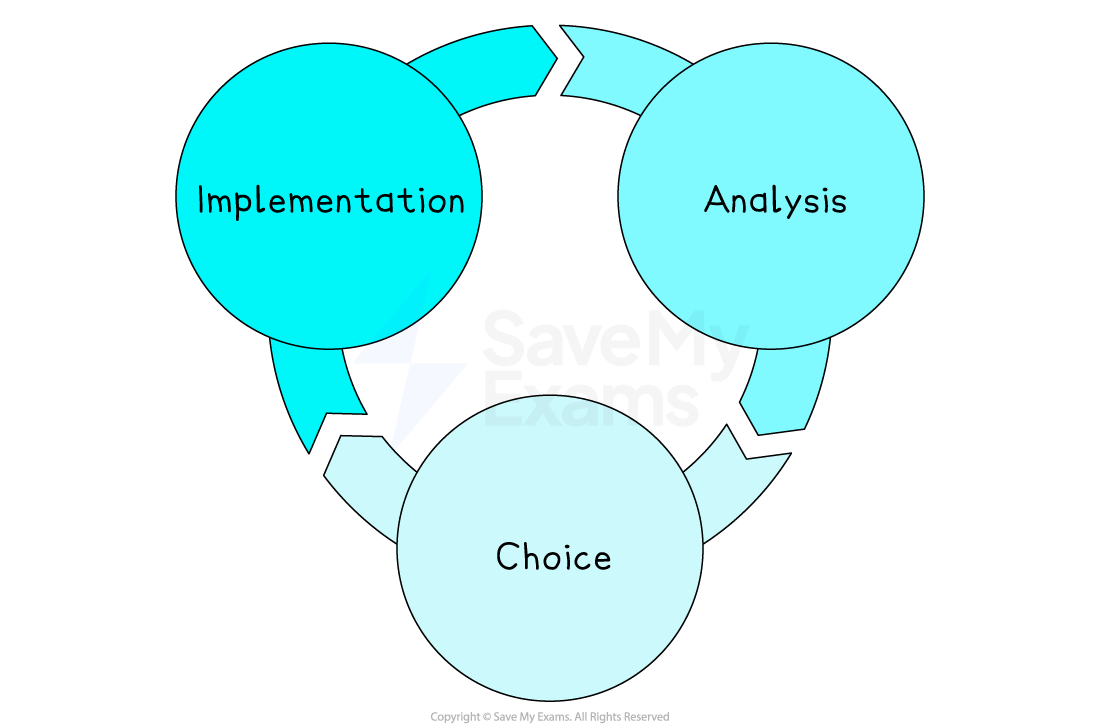
-
Analysis
-
External factors, such as markets, competitors, laws and the economy
-
Internal factors, such as employees’ skills, costs and culture
-
Tools such as SWOT or PESTLE can help organise the findings
-
-
E.g. A sports shoe business checks trainer fashion trends, compares its costs with Nike’s and lists its strengths (a strong brand) and weaknesses (slow delivery)
-
-
Choice
-
Senior managers turn the mission into clear targets
-
They pick the best way to reach them, such as cost leadership, differentiation or targeting new markets
-
-
E.g. The sports shoe business sets a goal to raise online sales by 30 % in three years. It chooses a differentiation strategy which will involve launching eco-friendly trainers made from recycled plastic
-
-
Implementation
-
Resources are allocated and departments set their own objectives
-
Staff are trained, and new systems or contracts are put in place
-
E.g. Operations buys recycling equipment, marketing schedules a social-media campaign and HR recruits designers with sustainability skills
-
-
Progress is measured against targets
-
Managers investigating gaps and tweaking the strategy when needed.
-
E.g. After a year, online sales of eco-trainers increase by only 15 %, so the firm boosts advertising to close the gap
-
-
|
Purpose of strategic management |
|
|---|---|
|
Clear direction |
|
|
Effective use of resources |
|
|
Competitive advantage |
|
|
Quick response to change |
|
|
Performance control |
|
Case Study
FabTex India – A Strategic Shift to Sustainable Fashion
FabTex India Pvt Ltd is a midsized textile manufacturer based in Tiruppur, Tamil Nadu. It supplies fabrics and garments to major Indian retailers and exports to buyers in Europe.
In 2024, FabTex faced rising competition from low-cost producers in Bangladesh and growing pressure from European customers to cut carbon emissions in the supply chain

Strategic Management in Action
Analysis
FabTex’s leadership team carried out a SWOT and PESTLE analysis:
-
External factors included EU environmental rules, trends in sustainable fashion, and weak demand in India’s domestic market.
-
Internal analysis showed strong technical expertise and efficient mills, but poor brand recognition and high energy costs.
Choice
The company set a strategic goal:
“Increase revenue from sustainable fabric exports by 40% within 3 years.”
To achieve this, managers chose a differentiation strategy, focusing on organic cotton and recycled fibre fabrics with traceable, low-emission processes.
️ Implementation
-
The operations team invested ₹12 crore in solar panels and low-water dyeing machines.
-
The marketing team developed a “Green Fab” brand, targeting eco-conscious buyers in Germany and the Netherlands.
-
HR hired two textile engineers with expertise in sustainable fabric blends.
-
Sales staff received training in eco-certification standards and new export regulations.
After one year, sustainable fabric sales had grown by 22% — below target — so the firm increased its presence at European trade fairs and introduced online sampling tools to speed up buyer decisions