Biology_A-level_Cie
-
1-1-the-microscope-in-cell-studies5 主题
-
1-2-cells-as-the-basic-units-of-living-organisms5 主题
-
2-1-testing-for-biological-molecules3 主题
-
2-2-carbohydrates-and-lipids8 主题
-
2-3-proteins6 主题
-
2-4-water2 主题
-
3-1-mode-of-action-of-enzymes5 主题
-
3-2-factors-that-affect-enzyme-action8 主题
-
4-1-fluid-mosaic-membranes4 主题
-
4-2-movement-into-and-out-of-cells12 主题
-
diffusion
-
osmosis
-
active-transport
-
endocytosis-and-exocytosis
-
investigating-transport-processes-in-plants
-
investigating-diffusion
-
surface-area-to-volume-ratios
-
investigating-surface-area
-
estimating-water-potential-in-plants
-
osmosis-in-plant-cells
-
osmosis-in-animals
-
comparing-osmosis-in-plants-and-animals
-
diffusion
-
5-1-replication-and-division-of-nuclei-and-cells6 主题
-
5-2-chromosome-behaviour-in-mitosis2 主题
-
6-1-structure-of-nucleic-acids-and-replication-of-dna4 主题
-
6-2-protein-synthesis5 主题
-
7-1-structure-of-transport-tissues4 主题
-
7-2-transport-mechanisms7 主题
-
8-1-the-circulatory-system7 主题
-
8-2-transport-of-oxygen-and-carbon-dioxide5 主题
-
8-3-the-heart4 主题
-
9-1-the-gas-exchange-system6 主题
-
10-1-infectious-diseases3 主题
-
10-2-antibiotics3 主题
-
11-1-the-immune-system4 主题
-
11-2-antibodies-and-vaccination6 主题
-
12-1-energy5 主题
-
12-2-respiration11 主题
-
aerobic-respiration-the-krebs-cycle
-
aerobic-respiration-role-of-nad-and-fad
-
aerobic-respiration-oxidative-phosphorylation
-
anaerobic-respiration
-
energy-yield-aerobic-and-anaerobic-respiration
-
anaerobic-adaptation-of-rice
-
aerobic-respiration-effect-of-temperature-and-substrate-concentration
-
structure-and-function-of-mitochondria
-
the-four-stages-in-aerobic-respiration
-
aerobic-respiration-glycolysis
-
aerobic-respiration-the-link-reaction
-
aerobic-respiration-the-krebs-cycle
-
13-1-photosynthesis-as-an-energy-transfer-process8 主题
-
13-2-investigation-of-limiting-factors2 主题
-
14-1-homeostasis-in-mammals8 主题
-
14-2-homeostasis-in-plants3 主题
-
15-1-control-and-coordination-in-mammals12 主题
-
the-endocrine-system
-
the-nervous-system
-
neurones
-
sensory-receptor-cells
-
sequence-of-events-resulting-in-an-action-potential
-
transmission-of-nerve-impulses
-
speed-of-conduction-of-impulses
-
the-refractory-period
-
cholinergic-synapses
-
stimulating-contraction-in-striated-muscle
-
ultrastructure-of-striated-muscle
-
sliding-filament-model-of-muscular-contraction
-
the-endocrine-system
-
15-2-control-and-coordination-in-plants3 主题
-
16-1-passage-of-information-from-parents-to-offspring5 主题
-
16-2-the-roles-of-genes-in-determining-the-phenotype7 主题
-
16-3-gene-control3 主题
-
17-1-variation4 主题
-
17-2-natural-and-artificial-selection7 主题
-
17-3-evolution2 主题
-
18-1-classification5 主题
-
18-2-biodiversity7 主题
-
18-3-conservation6 主题
-
19-1-principles-of-genetic-technology11 主题
-
19-2-genetic-technology-applied-to-medicine4 主题
-
19-3-genetically-modified-organisms-in-agriculture2 主题
-
1-1-the-microscope-in-cell-studies
-
1-2-cells-as-the-basic-units-of-living-organisms
-
2-1-testing-for-biological-molecules
-
2-2-carbohydrates-and-lipids
-
2-3-proteins
-
2-4-water
-
3-1-mode-of-action-of-enzymes
-
3-2-factors-that-affect-enzyme-action
-
4-1-fluid-mosaic-membranes
-
4-2-movement-into-and-out-of-cells
-
5-1-replication-and-division-of-nuclei-and-cells
-
5-2-chromosome-behaviour-in-mitosis
-
6-1-structure-of-nucleic-acids-and-replication-of-dna
-
6-2-protein-synthesis
-
7-1-structure-of-transport-tissues
-
7-2-transport-mechanisms
-
8-1-the-circulatory-system
-
8-2-transport-of-oxygen-and-carbon-dioxide
-
8-3-the-heart
-
9-1-the-gas-exchange-system
-
10-1-infectious-diseases
-
10-2-antibiotics
-
11-1-the-immune-system
-
11-2-antibodies-and-vaccination
ecosystems-and-niches
Ecosystem & niches
Ecosystems
-
Species do not exist by themselves in their own isolated environment, they interact with other species forming communities
-
These communities interact with each other and the environment they live in, forming ecosystems
-
An ecosystem is a relatively self-contained community of interacting organisms and the environment they live in, and interact with
-
There is a flow of energy within an ecosystem and nutrients within it are recycled
-
There are both living (biotic) components and non-living (abiotic)components within an ecosystem
-
Ecosystems vary greatly in size and scale
-
Both a small pond in a back garden and the open ocean could be described as ecosystems
-
A human being could also be described as an ecosystem; there are thousands of species of bacteria living on and in every person
-
-
Ecosystems vary in complexity:
-
A desert is a relatively simple ecosystem
-
A tropical rainforest is a very complex ecosystem
-
-
No ecosystem is completely self-contained as organisms from one ecosystem are often linked to organisms from another
-
For example, birds are able to fly long distances to feed from multiple ecosystems
-
Example of an ecosystem
-
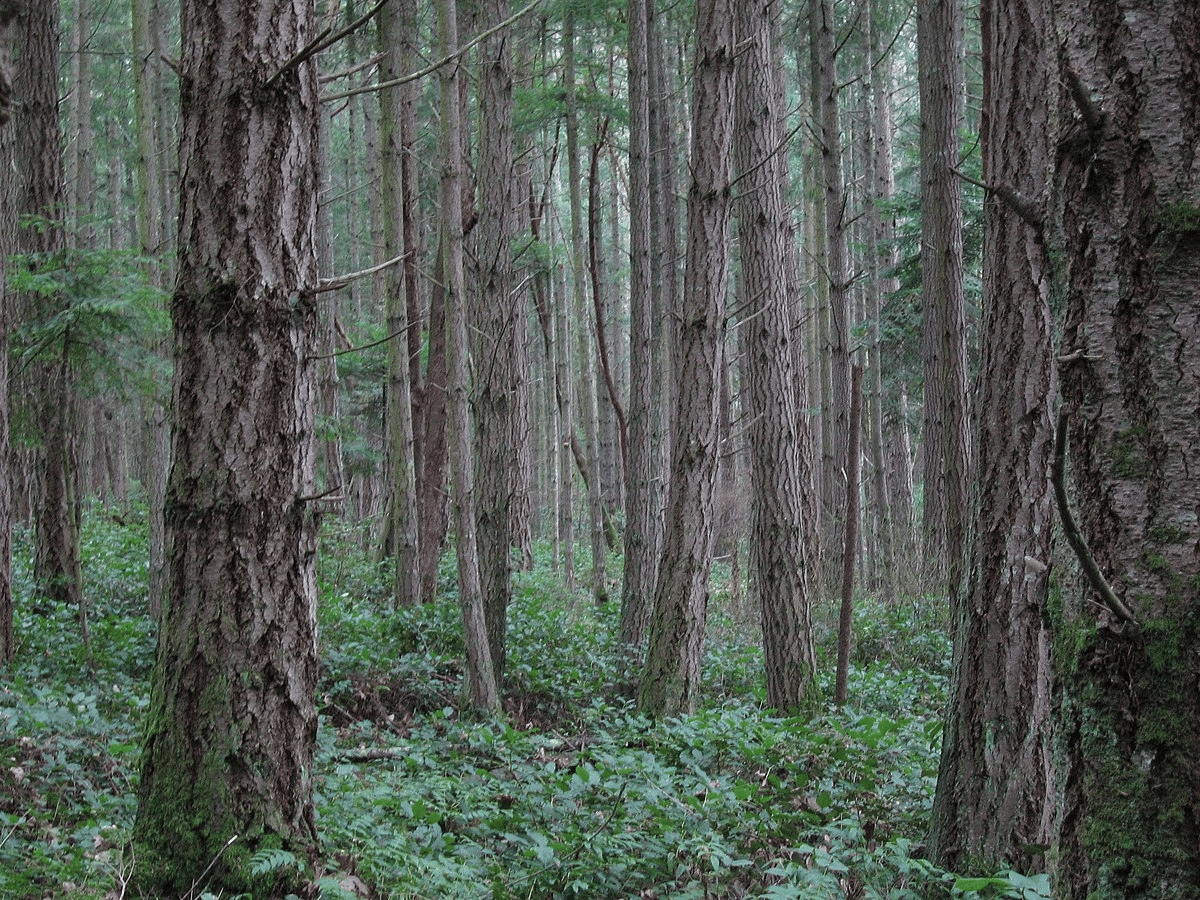
A forest is a perfect example of a complex ecosystem
-
There is a large community of organisms including trees, birds, small and large mammals, insects and fungi
-
The non-living components of the ecosystem include: the soil, dead leaves, water from the rain and streams, the rocks and any other physical or chemical factors
-
The non-living components of the ecosystem influence the community of organisms
Niche
-
The place where a species lives within an ecosystem is its habitat
-
The role that species plays within an ecosystem is its niche
-
It encompasses where in the environment the organism is, how it gets its energy and how it interacts with other species and its physical environment
-
This is how an organism fits into the ecosystem
-
Example of a niche
-
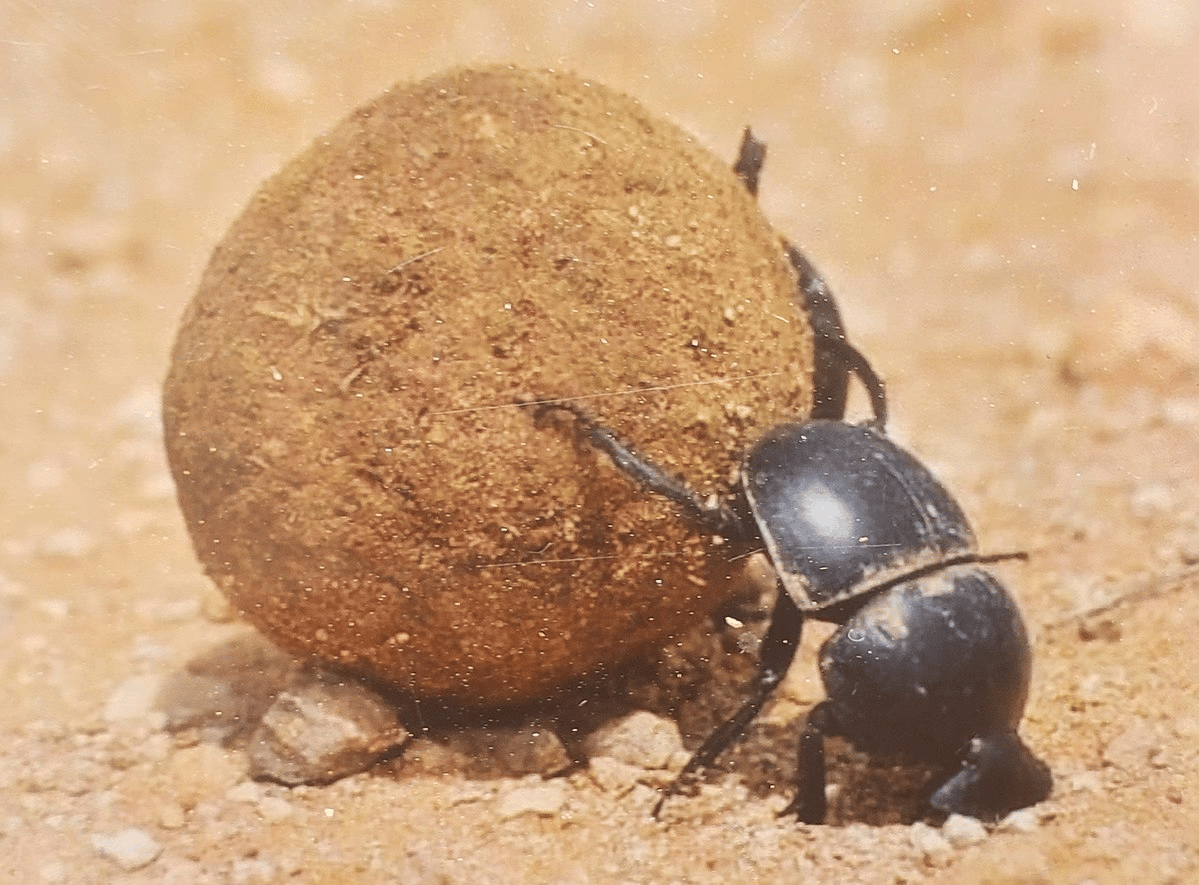
A dung beetle (example species Scarabaeus satyrus) occupies a very specific niche within its ecosystem
-
Dung beetles have learned to exploit the dung (faeces) of animals as a food source and they have a characteristic behaviour of rolling the dung into balls before transporting it to their underground burrow for storage as food
-
Their behaviour within their ecosystem has many knock-on effects on the environment and other organisms living in it
-
The burrows and tunnels that they create turns over and aerates the soil
-
The buried dung releases nutrients into the soil both of which can benefit other organisms like plants
-
The transportation of the dung underground by the beetles also helps to keep fly populations under control